Home Resources Causes of High Blood Pressure
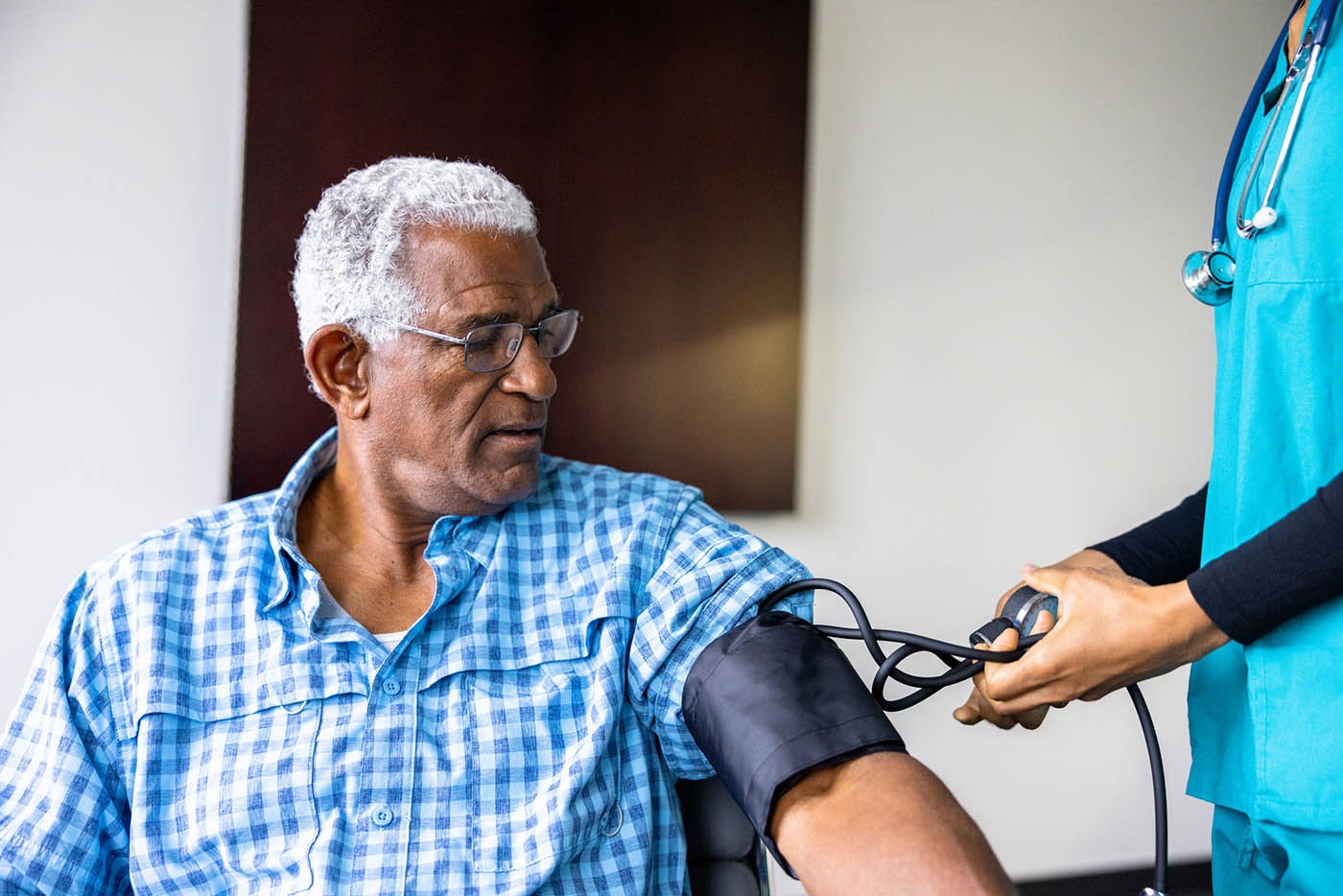
Nurse meeting with a senior black male patient taking his blood pressure

Causes of High Blood Pressure

High blood pressure, or hypertension, occurs when your artery pressure is 130/80 mm Hg or higher. 1 While there are often no obvious signs that someone has high blood pressure, it is a serious condition that can lead to a heart attacks, stroke, and kidney problems. 

According to the American Heart Association, nearly one in three adults has hypertension, with half of these cases being uncontrolled. Race and ethnicity may contribute to higher rates of high blood pressure. 2 Certain communities, such as African Americans, Hispanics, and Asians, face significant challenges in achieving effective blood pressure control. Inherited conditions like high cholesterol and diabetes can also lead to hypertension, heart disease, and an increased risk of stroke. 3

Other factors that contribute to high blood pressure include:

  1. Being overweight or obese
  2. Lack of physical activity
  3. Salt intake
  4. Alcohol consumption
  5. Caffeine – If you have high blood pressure, limit your caffeine intake, and always consult your doctor about consuming caffeinated drinks. 4
  6. Smoking
  7. Medications – Certain medications can raise your blood pressure, sometimes significantly. These include:
    1. Steroids (e.g., prednisone) – often used to treat inflammation or autoimmune conditions.
    2. NSAIDs (nonsteroidal anti-inflammatory drugs, e.g., ibuprofen, aspirin) – commonly used for pain or arthritis.
    3. Decongestants (e.g., pseudoephedrine, found in cold and allergy medications) can constrict blood vessels and raise blood pressure.
    4. Antipsychotics (e.g., olanzapine, risperidone) – used to treat mental health conditions such as schizophrenia or bipolar disorder.

Always consult your doctor before taking any medication if you have or are at high risk of having high blood pressure. 5

If you have high blood pressure, it is important to make lifestyle changes to manage your condition. By living a healthy life, you can help prevent, delay, or reduce the need for medication and likelihood or a serious medical episode like a stroke. 6

Here are 10 lifestyle changes that can help lower blood pressure and keep it down

  1. Lose weight and watch your waistline– Losing weight helps control blood pressure. Even a small weight loss can lower blood pressure if you are overweight. A high body mass index (BMI) can lead to high blood pressure.
  2. Exercise regularly
  3. Eat Healthy
  4. Reduce salt/sodium intake
  5. Limit alcohol
  6. Quit smoking
  7. Get a good night’s rest
  8. Ease stress 
  9. Monitor your cholesterol and sugar
  10. Limit caffeine intake. If you are at high risk, regular monitoring can help you see how simple changes in your lifestyle can reduce your blood pressure. It will also let you know if your blood pressure is continuing to increase.  If your blood pressure is going up, or you have questions about managing your blood pressure, please contact your doctor.  

Elderplan is pleased to offer blood pressure monitors to eligible members.*  We’re here to support you on your health journey!

If you have questions about your eligibility for a blood pressure monitor or, please call Elderplan Member Services at 1-800-353-3765 (TTY: 711) between 8:00 a.m. to 8:00 p.m., seven days a week. 

  1. About High Blood Pressure | High Blood Pressure | CDC[]
  2. Racial/Ethnic Disparities in Hypertension Prevalence, Awareness, Treatment, and Control in the United States, 2013 to 2018 | Hypertension[]
  3. Heart Disease Risk Factors | Heart Disease | CDC[]
  4. People with very high blood pressure may want to go easy on the coffee | American Heart Association[]
  5. Medications and supplements that can raise your blood pressure – Mayo Clinic[]
  6. 10 ways to control high blood pressure without medication – Mayo Clinic[]

Additional Resources